





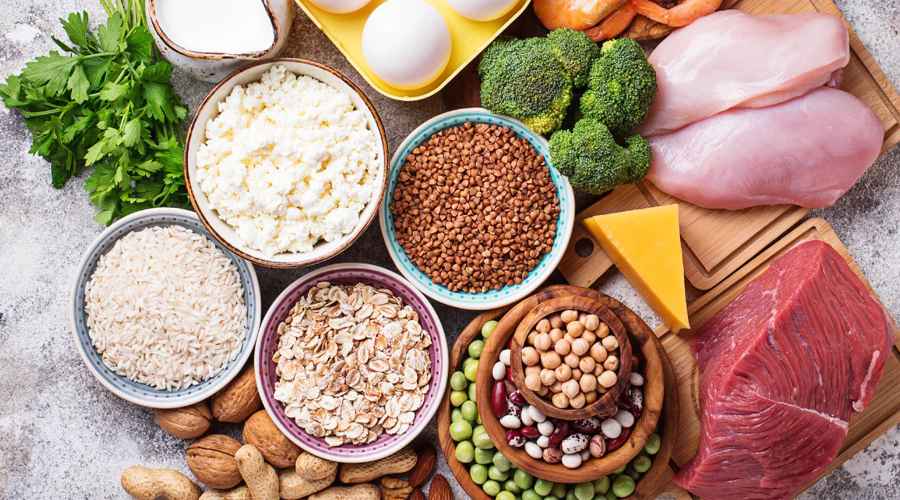
India’s diverse cuisine offers nutrient-packed foods that support overall health, from boosting immunity to aiding digestion. These selections prioritize locally available superfoods rich in proteins, vitamins, minerals, and antioxidants, ideal for vegetarian diets prevalent in the country. Incorporating them daily can enhance energy levels and combat common deficiencies like iron and folate.
1. Flax Seeds
Flax seeds stand out as a top vegetarian source of omega-3 fatty acids, particularly ALA, alongside dietary fiber and protein. Roasting them reduces antinutrients, improving iron absorption and omega-3 bioavailability for better heart health. Indians can sprinkle roasted flax on rotis or smoothies for easy integration.
2. Spinach (Palak)
Indian spinach excels in folate content, crucial for addressing widespread deficiencies among women and children. It provides vitamins A, C, and K, plus iron, supporting blood health and immunity. Sauté it as palak paneer or add to dals for a nutrient boost.
3. Mung Beans (Moong Dal)
Mung beans offer high-quality protein with essential amino acids and lower phytic acid than other legumes, enhancing digestibility. Packed with vitamins, minerals, and antioxidants, they aid muscle repair and detoxification. Use in khichdi or sprouts for optimal benefits.
4. Ragi (Finger Millet)
Ragi delivers exceptional calcium—more than milk per gram—along with iron and fiber, promoting bone strength and blood sugar control. Its antioxidants benefit skin and mental health, making it suitable for diabetes management. Prepare ragi mudde or porridge for daily consumption.
5. Bajra (Pearl Millet)
Bajra supplies iron, magnesium, fiber, and antioxidants in a gluten-free form, ideal for celiac patients. It stabilizes blood sugar and supports digestion due to high fiber. Enjoy as bajra roti or khichdi in winter meals.
6. Moringa (Drumstick Leaves)
Known as the miracle tree, moringa leaves brim with vitamins A, C, E, calcium, potassium, and protein. Antioxidants protect skin, hair, liver, and heart function. Add powdered leaves to soups or teas for potent nutrition.
7. Amaranth (Rajgira)
This pseudocereal provides complete protein, fiber, magnesium, calcium, iron, and phosphorus in low-calorie servings. It outperforms many cereals in nutrient density, aiding energy and bone health. Cook as porridge or use in fasting foods.
8. Almonds
Almonds deliver monounsaturated fats, vitamin E, calcium, magnesium, and folate without cholesterol or gluten. They support metabolism, heart health, and satiety. Soak overnight and eat a handful as a snack.
9. Mangoes
As the king of fruits, mangoes offer potassium, vitamin C, and beta-carotene for blood pressure regulation, immunity, digestion, and eyesight. Their antioxidants combat free radicals. Consume seasonal ripe ones or in smoothies.
10. Pulses and Legumes (Lentils, Chickpeas)
Pulses like dal provide plant-based protein, vitamins, and fiber, essential for vegetarians and diabetes control. They enhance digestion and overall growth with high nutrient bioavailability. Boil into everyday curries or salads.
These foods align with India’s agricultural bounty, making nutrition accessible and affordable. For best results, combine them—such as ragi with mung dal or spinach in bajra roti—to maximize synergies. Prioritize organic, seasonal varieties to avoid pesticides and retain freshness. Regular intake addresses micronutrient gaps, with studies linking them to reduced chronic disease risks. Experiment in regional recipes: South Indian ragi dosa, North Indian palak paratha, or Gujarati moong dal. Consult dietitians for personalized plans, especially for conditions like diabetes.