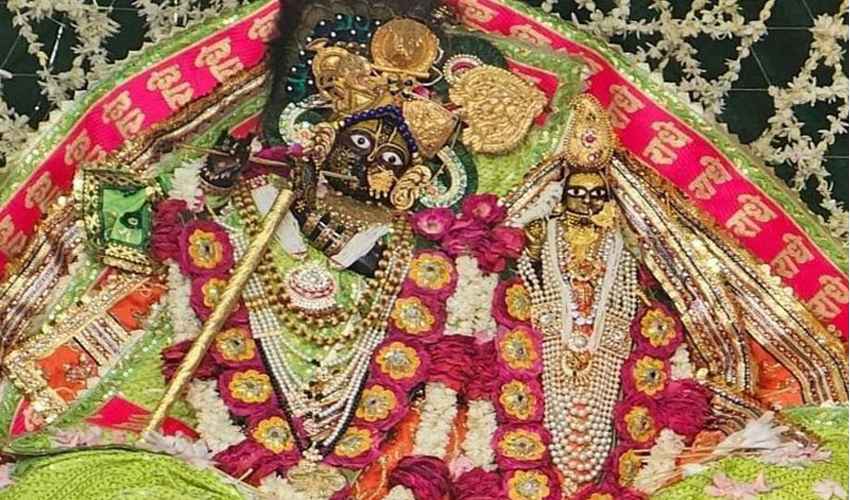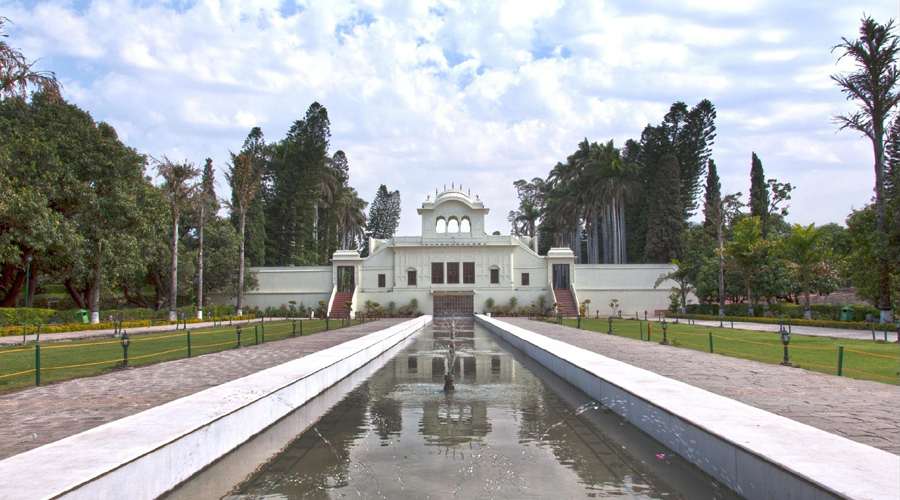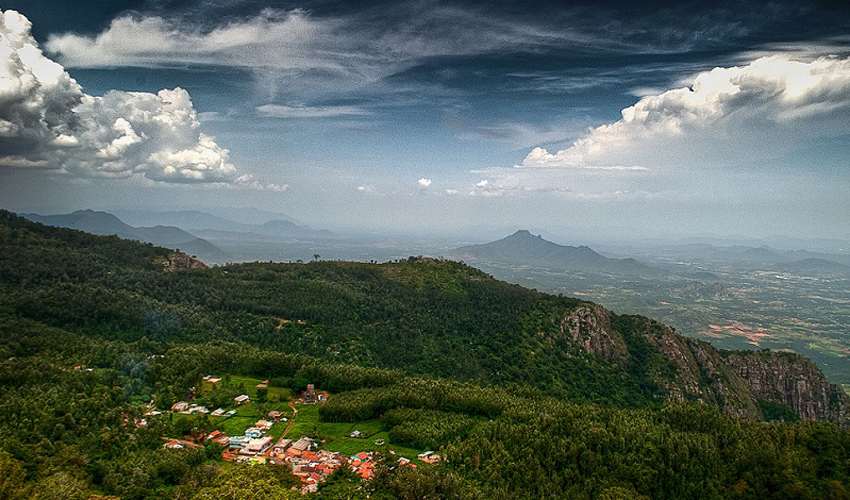






Arulmigu Marundeeswarar Temple stands as one of South India’s most revered shrines dedicated to Lord Shiva. Known as the “Divine Physician”, Lord Marundeeswarar is worshipped here as the supreme healer who cures physical ailments, mental distress, and spiritual afflictions. For centuries, devotees have believed that sincere prayers at this temple can bring relief from chronic diseases and restore harmony to life.
Mythological Significance: Shiva as The Healer of Gods
The name Marundeeswarar comes from the Tamil word “marundhu”, meaning medicine. According to legend, this is the sacred place where Lord Shiva taught the secrets of Ayurveda and Siddha medicine to Sage Agastya. During the churning of the cosmic ocean (Samudra Manthan), a deadly poison (Halahala) emerged, threatening the universe. Shiva consumed the poison to save creation, and later revealed medicinal knowledge to sages so humanity could overcome disease and suffering.
Because of this divine association, the temple is considered especially powerful for healing-related prayers. Devotees suffering from long-term illnesses, undergoing medical treatment, or seeking mental peace often visit the shrine with deep faith, believing Lord Marundeeswarar to be the ultimate source of cure.
Historical Background and Architectural Beauty
Arulmigu Marundeeswarar Temple is an ancient shrine, with origins believed to date back over a thousand years. While the core sanctum reflects early Dravidian temple architecture, the structure has seen contributions from several South Indian dynasties, including the Cholas and the Vijayanagara rulers. Over time, renovations and expansions have preserved the temple while enhancing its grandeur.
The temple complex features a towering gopuram (gateway tower) adorned with vibrant sculptures depicting deities, sages, and mythological scenes. Inside, the stone-pillared halls reflect the classic elegance of Tamil temple design. The sanctum sanctorum houses the Shiva lingam worshipped as Marundeeswarar, while the goddess consort Thirupurasundari Amman is enshrined in a separate shrine. Her name symbolizes beauty, compassion, and balance, complementing Shiva’s healing energy.
Spiritual Atmosphere and Daily Worship
One of the defining aspects of Marundeeswarar Temple is its serene yet vibrant spiritual atmosphere. From early morning to late evening, the temple resonates with the sound of bells, Vedic chants, and devotional hymns. The daily ritual cycle includes multiple poojas and abhishekams, each believed to enhance the temple’s healing vibrations.
Special significance is attached to milk abhishekam and herbal offerings, symbolizing purification and restoration of health. Many devotees offer medicinal herbs, traditional oils, or symbolic representations of body parts affected by illness, expressing their faith in divine healing. The temple priests guide worshippers through rituals meant to strengthen both physical well-being and inner calm.
Festivals and Special Observances
Festivals at Arulmigu Marundeeswarar Temple are celebrated with devotion and grandeur, drawing thousands of devotees from across Tamil Nadu and beyond. Maha Shivaratri is the most important festival, marked by night-long prayers, abhishekam, and meditation, emphasizing spiritual awakening and transformation.
Another significant observance is Pradosham, which occurs twice a month and is believed to be especially auspicious for seeking relief from health problems and karmic obstacles. During these times, the temple becomes a focal point of collective faith, with devotees participating in circumambulation (pradakshina) and special poojas.
The Temple and Traditional Medicine
What sets Marundeeswarar Temple apart from many other Shiva temples is its deep association with traditional Indian medicine. Siddha practitioners and Ayurveda followers often regard the temple as spiritually aligned with healing sciences. It is not uncommon to find devotees combining medical treatment with temple visits, viewing both as complementary paths to recovery.
This integration of spirituality and health reflects a holistic worldview deeply rooted in Indian tradition — one where disease is not just a physical condition but also a manifestation of imbalance in mind, body, and spirit. Praying at the temple is seen as a way to restore that balance.
Location and Accessibility
Situated in Thiruvanmiyur, the temple is easily accessible from various parts of Chennai. Its proximity to the Bay of Bengal adds to the calm ambiance, making it a peaceful retreat from the bustle of city life. Well-connected by road and public transport, the temple attracts not only pilgrims but also tourists interested in history, architecture, and cultural heritage.
Visitors are advised to dress modestly and respect temple customs. Early mornings and evenings are ideal times for darshan, offering a quieter and more contemplative experience.
Cultural and Spiritual Importance
Beyond its role as a place of worship, Arulmigu Marundeeswarar Temple serves as a living symbol of Tamil spiritual culture. It reflects the deep-rooted belief that divine grace and human effort together can overcome suffering. The temple continues to inspire faith across generations, reminding devotees that healing is not merely about curing illness but about achieving inner harmony and spiritual strength.
Conclusion
Arulmigu Marundeeswarar Temple is more than an ancient shrine — it is a sanctuary of hope, healing, and faith. Dedicated to Lord Shiva as the cosmic physician, the temple embodies the timeless Indian belief in holistic well-being. Whether one visits seeking relief from illness, peace of mind, or spiritual growth, the experience leaves a lasting impression. In the heart of Chennai, this sacred temple stands as a gentle reminder that true healing flows from devotion, balance, and divine grace.